If you want to buy Healing the Culture, try this Life Principles link. You can also order it through ignatius.com, or call 1-800-651-1531.
The faculty of reason should be seen as the common denominator uniting people of various beliefs and persuasions. As rational beings, we have an obligation to use the discipline of logic and reason in addressing human difficulties and controversies.
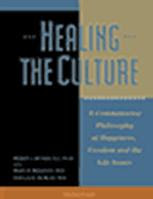
Healing the Culture, by Robert J. Spitzer, S.J., Ph.D., qualifies as a work of reason. Spitzer employs a step-by-step common sense approach to construct a framework of timeless and universal principles, and applies those principles to current cultural crises, namely, abortion and euthanasia. While disputes over these two issues are typified on both sides by political posturing, anecdotal arguments, and emotional pleas, Spitzer's reasoned and methodical approach is both refreshing and extremely important. It is an example of good philosophy that is practical, rational, and engaging.
 Spitzer begins by defining four levels of happiness. The first level is characterized by immediate gratification, of maximizing pleasure and minimizing pain. The second level is typified by the comparison mentality, of achieving competitive advantage and bolstering one's ego. The third level goes beyond self, toward seeking the good of others. The fourth and highest level of happiness is derived from giving and receiving ultimate or transcendant goodness -- Truth, Love, Justice, Beauty. These four levels move from the immediate to the enduring, from the shallow to the profound.
Next, Spitzer draws connections between one's view of happiness and one's view of other principles: success, self-worth, love, suffering, ethics, freedom, personhood, rights, and the common good. He treats each of these in depth, but perhaps personhood, when looking at abortion and euthanasia, is the critical point. Using rigorous logic, Spitzer concludes, quite reasonably, that every being of human origin should be considered a person, as I have noted in my previous post entitled "Persons". It is important to note that Spitzer does all this in a way that even an unbeliever would find compelling, providing that said unbeliever is honest, willing to think, and is a person of basic good will. It is also important to note the legal and cultural ramifications of these simple but profound ideas.
Pope John-Paul II repeatedly called upon Christians to build a 'culture of life'. Benedict XVI has emphasized the importance of using reason in our dealings with the culture. In my opinion, Healing the Culture fulfills both of these mandates, and is well worth reading, digesting, and sharing.